Supporting Runners Through Practical Foot Care
Ringwood East, Australia - February 3, 2026 / The Heel Centre Ringwood East /
Staying Comfortable Mid-Stride
Running continues to be a popular way to stay active, build endurance, and support overall wellbeing. However, repetitive impact on the feet, ankles, and lower limbs can gradually contribute to discomfort if key areas such as footwear, training load, and recovery routines are overlooked. The Heel Centre has recently shared practical guidance for runners wanting a clearer understanding of what their feet need before, during, and after exercise. Our latest blog outlines everyday considerations, from warm-up habits to post-run care, offering accessible information for runners at every level. With growing awareness around sports podiatry Ringwood East, the clinic highlights the value of early assessment, individual care planning, and education to support ongoing movement. The article encourages runners to take a proactive approach to foot health as part of their broader training routine, helping them make informed decisions and stay engaged in the activities they enjoy.
Helping Runners Stay Strong From The Ground Up
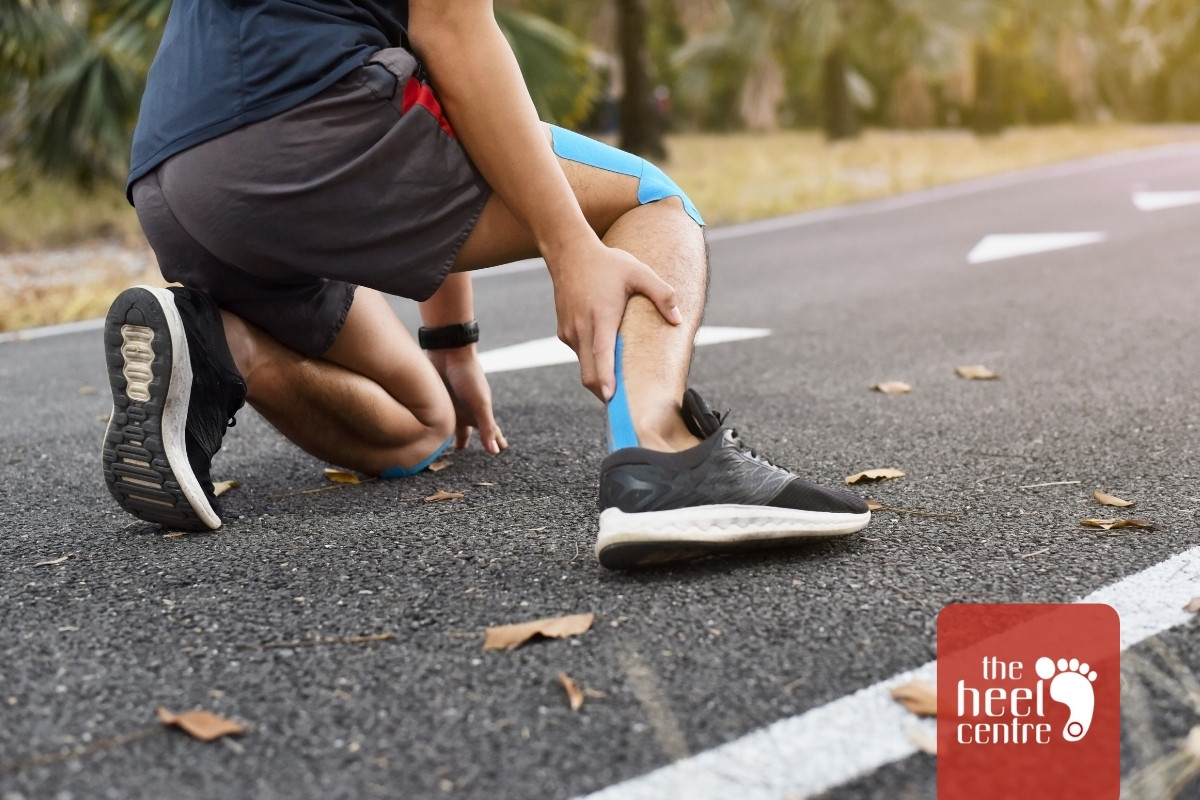
Every runner has experienced that moment when a familiar ache creeps in, leading to questions about whether it’s just a bad day or something more serious. At first, it might feel harmless—tightness in the arches, dull pain in the heel, or fatigue hitting sooner than usual. Many runners ignore these signals, hoping they’ll disappear.
The truth is, your feet constantly communicate with you. They absorb impact, adapt to terrain, and drive every stride. Performance suffers long before a full injury manifests. Sports podiatry helps understand and respond to these signals effectively.
Small adjustments in preparation, technique, and post-run care can mean the difference between progress and setbacks. If running is a serious commitment, pay attention to how your feet are supported every step of the way.
Sports Podiatry for Runners
Sports podiatrists highlight that in order to prevent injuries and maximise performance, runners should maintain a regular schedule of preparation, focus, and recuperation.
This entails choosing the right equipment, warming up, paying attention to your body, and providing careful post-run care.
Sports podiatry is more than just treating blisters; it is the science of how your feet and legs handle the immense pressure of running (which can be up to 3–4 times your body weight per step).
To keep you on the road and out of the clinic, a sports podiatry-led routine focuses on three distinct phases: preparation, performance, and recovery.
1. Before the run: Prehabilitation
Preparation is about prehab, strengthening your foundation, and choosing the right tools to prevent injury before it starts.
- Dynamic warm-up: Don’t just stretch, perform dynamic movements like ankle circles, walking lunges, and leg swings. This increases blood flow and prepares your tendons for high-impact loads.
- Foot conditioning: Sports podiatrists recommend “foot core” exercises. Try toe curls (scrunching a towel with your toes) or marble pickups to strengthen the intrinsic muscles of the arch.
- The PM shoe rule: Always buy running shoes in the late afternoon. Your feet naturally swell during the day; a shoe that fits at 8 AM will likely be too tight by mile five of an evening run.
- Barrier protection: If you are prone to blisters, apply a silicone-based lubricant or anti-chafe stick to high-friction areas (heels, between toes) before putting on your socks.

2. During the run: Management and mechanics
Once you’re moving, your focus shifts to maintaining structural integrity and listening to niggles.
- Moisture management: Use synthetic or merino wool socks. Cotton is a runner’s enemy; it absorbs moisture, stays wet, and causes the skin to macerate (soften), leading to deep blisters.
- Lacing techniques: If you feel “hot spots” on the top of your foot or your heel is slipping, use a heel lock (runner’s loop) lacing pattern to secure the foot without increasing pressure on the dorsal nerves.
- Surface variety: If possible, alternate between pavement, trail, and track. This changes the stress patterns on your feet and helps prevent repetitive strain injuries like shin splints.
- The 10% rule: To avoid stress fractures, never increase your weekly mileage or intensity by more than 10% per week.
3. After the run: Active recovery
Recovery starts the second you stop. The goal is to flush out metabolic waste and reduce inflammation.
- The self-massage roll: Use a frozen water bottle or a tennis ball to roll out the plantar fascia (the bottom of your foot). The cold reduces inflammation while the rolling releases tension.
- Hygiene and inspection: Wash and, more importantly, dry between your toes thoroughly. Leaving moisture there is the primary cause of athlete’s foot. While cleaning, check for new bruises, nail trauma, or swelling.
- Shoe rotation: Never wear the same pair of shoes two days in a row if you can help it. It takes roughly 24–48 hours for the foam midsole to fully decompress and for the interior moisture to dry out.
- Elevation: Elevating your feet above your heart for 10–15 minutes post-long run helps reduce the oedema (swelling) caused by gravity and impact.
When to See a Professional
If you have persistent pain that doesn’t disappear after 48 hours of rest, a sports podiatrist can perform a video gait analysis. This identifies if you are overpronating or if your strike is causing undue stress on your joints, which can often be corrected with custom orthotics.
Final thoughts
Strong, healthy feet are the foundation of every successful run. By giving your feet the right support before training, staying mindful of form and load during your workout, and prioritising proper recovery afterwards, you reduce injury risk and improve overall performance.
Sports podiatry helps runners understand their unique biomechanics and address small issues before they become major setbacks. When your feet are cared for correctly, every run feels more efficient, confident, and sustainable.
Support Your Feet, Enjoy Running
 Ringwood East is a quiet, leafy Melbourne suburb known for its community atmosphere, green spaces, and convenient access to nearby shopping areas and transport links. The Heel Centre provides podiatry services within Ringwood East and surrounding suburbs, supporting locals with accessible care close to home.
Runners are invited to explore Sports Podiatry For Runners: What Your Feet Need Before, During And After A Workout on The Heel Centre website. For consultations and further information, you can contact the clinic directly to discuss your individual needs and running goals. Whether you’re navigating recurring soreness or simply aiming to improve your routine, their team offers practical guidance tailored to your lifestyle. If you’re looking for a sports podiatrist Ringwood East, book an appointment today and take the next step towards informed movement and better day-to-day comfort.
Contact Information:
The Heel Centre Ringwood East
116B Mt Dandenong Rd
Ringwood East, 3135
Australia
Adam Steinhardt
https://www.theheelcentre.com.au/


Original Source: https://www.theheelcentre.com.au/sports-podiatry-for-runners/