CHARLESTON, S.C., Jan. 11, 2026 (GLOBE NEWSWIRE) -- Is Medicare Advantage really free? That’s the question answered in a HelloNation article featuring Caroline Edwards of the Senior Savings Network in Charleston, South Carolina. The article provides a detailed explanation of how “zero-dollar premium” Medicare Advantage plans work and clears up some of the most common misconceptions surrounding their true cost.
The HelloNation article points out that while the term “zero-dollar premium” sounds like free healthcare, it only refers to the monthly cost to enroll in a Medicare Advantage plan. It does not include the out-of-pocket expenses that arise when care is actually needed. Medicare Expert Caroline Edwards emphasizes that cost sharing is a key part of these plans, and the real expenses often appear in the form of co-pays, deductibles, and coinsurance.
According to the article, Medicare Advantage plans are run by private insurers and must provide the same basic services as Original Medicare. However, they can customize their coverage structures, including costs and provider networks. Edwards highlights that two plans with the same zero-dollar premium may offer very different access and pricing when it comes to using medical services. This flexibility can lead to confusion, especially for those who expect uniform coverage.
A major focus of the article is cost sharing. The feature explains that Medicare Advantage plans often require co-pays for primary care visits and higher co-pays for specialists. More advanced services like imaging, outpatient surgeries, or physical therapy frequently involve separate charges. In some cases, members are responsible for a percentage of the bill instead of a flat fee, which can lead to high costs for treatments like chemotherapy or dialysis.
Edwards also addresses the issue of deductibles. While some plans eliminate medical deductibles, many still include them for prescription drugs or certain procedures. A deductible means members must pay a set amount before the plan begins to contribute, which often surprises enrollees early in the year.
The HelloNation article further explains the role of provider networks. Most Medicare Advantage plans limit coverage to a specific group of doctors, hospitals, and specialists. If a patient’s preferred provider is outside the network, they may pay more or not be covered at all. Medicare Expert Caroline Edwards notes that this disruption in care is one of the most difficult parts for people who were expecting broader access based on the idea of a “free” plan.
Another point the article makes is that prior authorization is commonly used in these plans. That means certain treatments or tests require insurer approval before proceeding. Edwards points out that this can delay care and create stress, especially during critical health events or emergencies when quick decisions are needed.
The article also highlights how drug coverage varies across plans. Each Medicare Advantage plan has its own formulary, or list of approved drugs, and pricing levels. Medications that are affordable in one plan may be expensive in another, and some may require additional approvals. Caroline Edwards encourages people to look closely at the drug coverage details before assuming their prescriptions will be inexpensive or automatically covered.
Even with a zero-dollar premium, these plans still include an annual out-of-pocket maximum. This limit protects members from high costs, but it doesn’t eliminate the co-pays or coinsurance they must pay throughout the year. For individuals needing ongoing care or frequent specialist visits, these costs can add up quickly.
The HelloNation article also explains that Medicare Advantage members must still pay their Medicare Part B premiums. In some cases, there may also be income-related adjustments or late enrollment penalties for Part B or Part D. These payments are either deducted from Social Security benefits or paid directly to Medicare each quarter.
The article concludes that while Medicare Advantage can be a good option, it’s important to focus on how the plan works rather than the idea of it being “free.” Looking at cost sharing, provider networks, deductibles, and formularies is essential to making an informed decision.
What Most People Get Wrong About Medicare Advantage Being Free features insights from Caroline Edwards, Medicare Expert of Charleston, South Carolina, in HelloNation.
About HelloNation
HelloNation is a premier media platform that connects readers with trusted professionals and businesses across various industries. Through its innovative “edvertising” approach that blends educational content and storytelling, HelloNation delivers expert-driven articles that inform, inspire, and empower. Covering topics from home improvement and health to business strategy and lifestyle, HelloNation highlights leaders making a meaningful impact in their communities.
Patrick McCabe
info@hellonation.com
www.hellonation.com
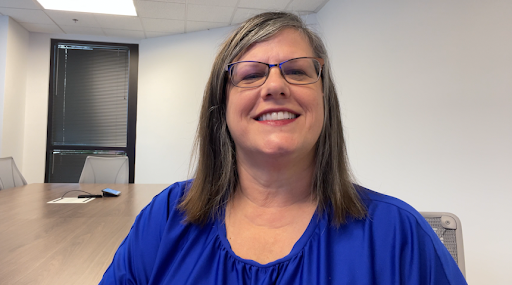
A photo accompanying this announcement is available at https://www.globenewswire.com/NewsRoom/AttachmentNg/545dcc84-4736-4027-94ee-7662cb8a2add