Experts Warn Homeowners About Invisible Structural and Health Risks After Disasters
Hamburg, United States - December 25, 2025 / Urban Valet /
Hidden Fire and Flood Damage Often Lingers Long After Cleanup Ends
Experts Highlight the Unseen Risks That Can Threaten Homes After Disasters
Buffalo, NY — When the visible signs of a fire or flood are finally cleared away, many homeowners assume the worst is over. According to restoration professionals, however, some of the most serious damage often remains hidden. Lingering smoke residue, trapped moisture, and fast-developing mold can quietly compromise a home’s structure and indoor air quality long after thehttps://www.myurbanvalet.com/services/
Industry experts emphasize that while surface-level cleaning is an important first step, it does not address the deeper, less obvious risks that develop behind walls, under floors, and within ventilation systems.
Smoke Residue Can Remain Long After the Air Clears
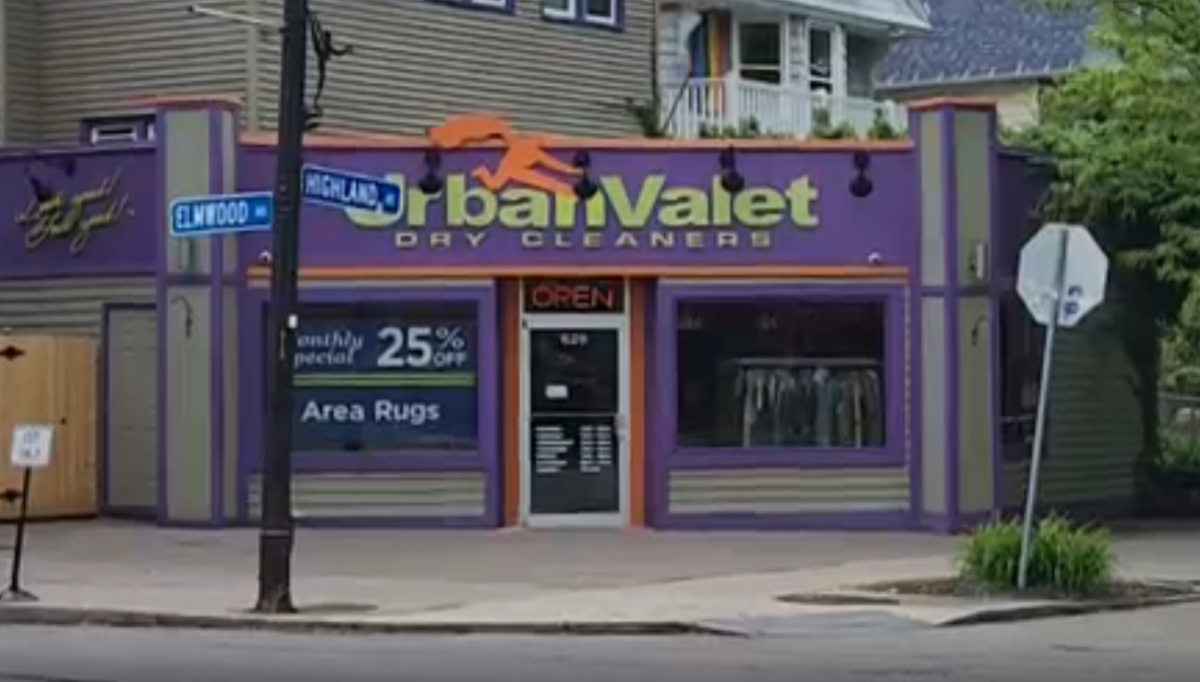
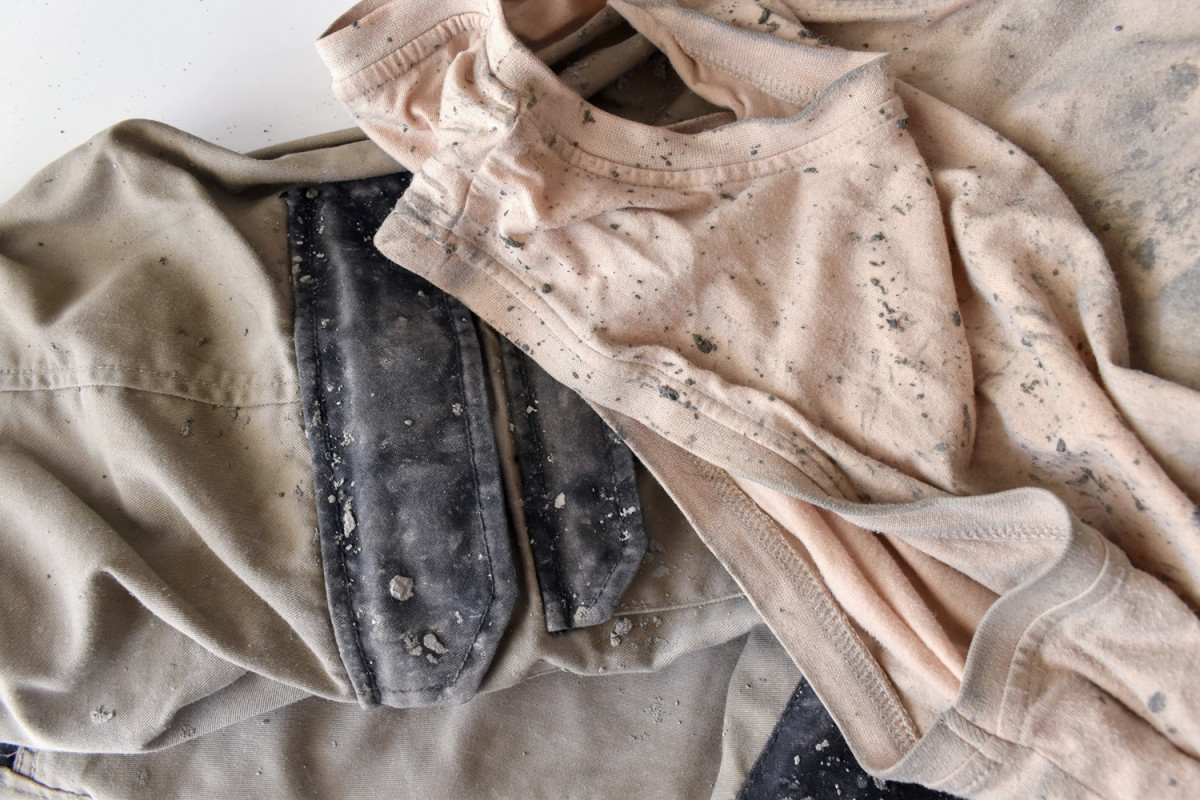
Even after flames are extinguished and the air no longer smells smoky, microscopic smoke particles can remain embedded throughout a property. Restoration specialists explain that smoke travels easily through small gaps and porous materials, allowing residue to settle far beyond visible surfaces.
How Smoke Spreads Throughout a Home
Smoke is capable of penetrating cracks around baseboards, electrical outlets, light switches, and vents. Once inside wall cavities or duct systems, it can linger for months, slowly releasing odors and causing material deterioration.
Why Porous Materials Hold Smoke Particles
Materials such as drywall, insulation, wood framing, and HVAC duct liners readily absorb smoke and soot. Professional restoration teams use chemical sponges, HEPA-filtered vacuums, and controlled air filtration to remove residue without spreading it further.
HVAC Systems Require Specialized Cleaning
When smoke enters a home’s ventilation system, it can circulate contaminants throughout the entire structure. Experts note that effective remediation often involves partial disassembly of ductwork, sanitation with industry-grade solutions, and the use of negative-air machines to extract trapped particles.
Water Damage Often Extends Below the Surface
Standing water may be removed quickly, but moisture frequently remains trapped in floors and foundations. Restoration professionals warn that this hidden moisture can weaken structural components and lead to long-term damage if not properly addressed.
Subfloors Retain Moisture Longer Than Expected
While finished flooring such as tile or hardwood may appear dry, the layers beneath often remain saturated. Specialists inspect flooring materials, vapor barriers, and subfloors to ensure complete drying.
Moisture Can Travel Through Foundations
Concrete foundations are porous, allowing water to migrate through cracks and microscopic openings. Restoration crews use moisture meters and high-powered drying systems to prevent ongoing deterioration and contamination.
Corners and Edges Dry the Slowest
Low-airflow areas such as floor edges and corners frequently retain moisture long after central areas dry. Targeted air movers and dehumidifiers are used to eliminate these pockets before rot or mold can develop.
Mold Can Develop Quickly in Hidden Areas
Mold growth can begin within 24 to 48 hours after water exposure, often forming in dark, enclosed spaces that homeowners rarely inspect. After a fire or flood, conditions behind walls, under appliances, and beneath flooring are ideal for mold to thrive.
Common Places Mold Is Found After Disasters
Restoration experts routinely inspect wall cavities and insulation where trapped moisture creates the perfect environment for mold growth. Access points may be created behind baseboards or within walls to identify and treat affected areas.
Poorly Ventilated Spaces Are High Risk
Closets, crawl spaces, interior corners, and areas beneath staircases often remain humid longer than open rooms. Thermal imaging technology helps professionals detect temperature variations that signal moisture and mold activity.
Flooring Layers Can Conceal Mold Growth
Carpet padding, hardwood plank gaps, and adhesive layers beneath vinyl flooring are common mold hotspots. In some cases, flooring must be lifted or drying mats applied to ensure moisture is fully eliminated.
Early detection, experts note, is critical to preventing widespread contamination and maintaining healthy indoor air quality.
Advanced Tools Help Detect What the Eye Cannot See
Restoration professionals explain that the most dangerous post-disaster issues are often invisible. In addition to moisture and mold, hazards such as soot deposits, asbestos fibers, and lead paint particles may remain undetected without specialized testing.
Professional Detection Methods Used in Restoration
Experts rely on advanced diagnostic tools to identify hidden damage, including:
Infrared cameras to locate moisture behind walls, ceilings, and floors
Air quality monitors to measure soot, mold spores, and volatile organic compounds
Lead and asbestos testing to identify hazardous materials in paint and insulation
Pressure and duct testing to locate ventilation leaks that allow odors and contaminants to recirculate
Once these issues are identified, restoration teams develop customized remediation plans that may include structural drying, duct sanitation, or hazardous material abatement. Many professionals also assist homeowners by working directly with insurance providers to document damage and streamline the claims process.
Preventive Steps Can Reduce Long-Term Risks
Industry specialists recommend several proactive measures to help homeowners protect their properties after restoration is complete. Regular inspections of plumbing, electrical, and HVAC systems can identify problems early. Proper ventilation in crawl spaces and attics helps prevent condensation buildup, while routine gutter maintenance directs water away from foundations. Having an emergency restoration provider on call can also significantly reduce damage if another incident occurs.

Urban Valet Cleaners Highlights the Importance of Professional Restoration
Urban Valet Cleaners, a restoration service provider serving Buffalo and surrounding communities, emphasizes that hidden damage should never be ignored after a fire or flood. With more than 25 years of experience, the company has grown from a small two-person operation into a team of 45 trained professionals specializing in fire, water, and smoke restoration.
Company representatives note that lingering smoke residue, moisture, and mold can pose serious health and structural risks if left untreated. By using advanced detection tools and proven restoration methods, professional teams aim to restore not only homes and belongings, but also long-term safety and peace of mind.
Homeowners in the Buffalo, New York area who have experienced fire or water damage are encouraged to seek professional assessment to ensure hidden problems are addressed before they spread. Urban Valet Cleaners can be reached at (716) 670-5098 for expert restoration assistance.
Contact Information:
Urban Valet
106 Evans Street
Hamburg, NY 14075
United States
Eric Pyne
https://www.myurbanvalet.com/


Original Source: https://www.myurbanvalet.com/the-hidden-damages-you-cant-always-see-after-a-fire-or-flood/